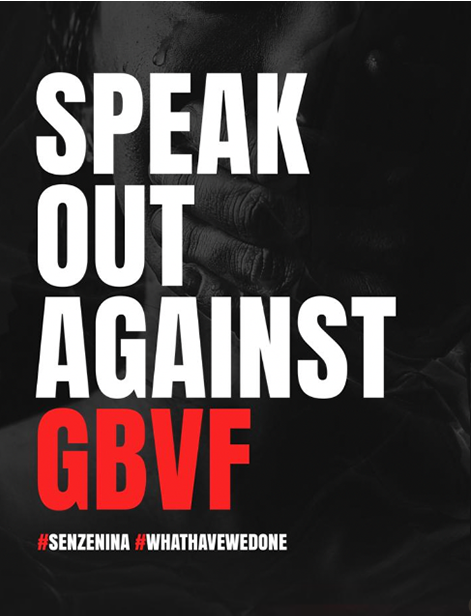
Senzeni na, Senzenina?

What have we done?

2023-2024

Senzeni Na?” (also spelled Senzenina, English: What Have We Done?) is a South African anti‐apartheid folk song. It is a Xhosa struggle song, and is commonly sung at funerals, demonstrations and in churches. Activist Duma Ndlovu compared the influence of “Senzeni Na?” to that of the American protest song, “We Shall Overcome.”

The song has been popular since at least the 1950s, and it was at its peak of popularity during the 1980s. The origins of the song are unclear. Zimbabwean poet Albert Nyathi wrote a song by the same title, “Senzeni Na?” on the day activist Chris Hani died.

Campaign Execution

The song was among several mournful songs popular among anti-apartheid activists in the 1960s. The song repeats the line “What have we done” a number of times, which musician Sibongile Khumalo has described as giving the listener a sense of desolation.

We are currently experiencing two devastating epidemics. Both can be overcome if we work together, take personal responsibility for our actions, and take care of each other.

Women and children are being subjected to violence at a time when the pandemic has left us all feeling vulnerable and uncertain. Rapists and killers are living among us; they are in our communities.

They are our fathers, our brothers, our sons, and our friends; violent men who have no regard for the dignity of human life.

By reading the names of those who were killed in SA in August 2023, President Cyril Ramaphosa also highlighted the severity of Gender-Based Violence & Femicide.

Moreover, he stated that the country should reevaluate its alcohol policy, and announced that hair and beauty salons, part of the hospitality and conference industry, as well as restaurants will be allowed to open on a date to be announced in the near future.

Senzeni na, Senzenina?

We reached our next campaign, “Senzeni Na?/What have we done? “, due to the increasing number of women and children being killed every day. We also wanted to draw attention to the fact that this type of behavior has never been accepted.

In recent years, it has become increasingly common for women to be murdered by men. Our society as a whole should strongly condemn this trend, as if we don’t address the root causes of violence against women and physical abuse of women, this trend will continue for years to come.

Campaign Execution

In recent years, it has become increasingly common for women to be murdered by men. Our society as a whole should strongly condemn this trend, as if we don’t address the root causes of violence against women and physical abuse of women, this trend will continue for years to come.

A critical component of ending Gender Based Violence and Femicide is the achievement of Gender equality.

We also drew inspiration from Nelson Mandela who was a champion of women’s rights because he believed that women’s rights are an integral part of a free society as in this quote from a speech he gave on 8 May 1994, Parliament, Cape Town:

“Freedom cannot be achieved unless women have been emancipated from all forms of oppression”.

Our society must be honest about the power relations between men and women.

We need to create an enabling and supportive environment that places women at the forefront of this struggle.

We – Sister and Brother, Mother and Father, Teacher and Student, Priest and Parishioner, Manager and Worker, President and Prime Minister – must add our voices to this call for action. Through education, economic opportunity, and participation in the political process, women can be empowered.

Campaign Media

  • Survivors Guild
  • Survivors Session
  • Door to Door Visits
  • GBVF Awareness Videos
  • Submission of Approval Plans for the construction of the BaqhawafaziWall of Remembrance
  • “O’dirilemg” –Wenzeni/What have You Done production
  • Baqhawafazi TV Advertisement